For Infrastructure OPERATORS
Most sewer networks are outdated, and struggle under today's populations and extreme rainfall events. As these pressures grow, blockages, overflows, and environmental harm become more frequent and more costly to manage.
Sewer manhole monitoring changes this. By placing radar sensors inside manholes at critical points across the network, operations teams gain early warning of developing problems, and asset planning teams gain the data they need to make informed infrastructure decisions.
HiLo's LS1-R Plus with ADA™ (Adaptive Detection Algorithms) is purpose-built for the sewer environment, delivering reliable level data where other sensors struggle.
During rainfall, stormwater enters wastewater networks through gully traps, downpipe connections, manhole lids, and cracks in ageing pipes. This is known as inflow and infiltration (I&I), and even moderate rain can push sewer systems well beyond their designed capacity.
Most operators already know stormwater is entering their network. Overflows during rainfall make that clear enough. The difficulty is pinpointing where it is coming from.
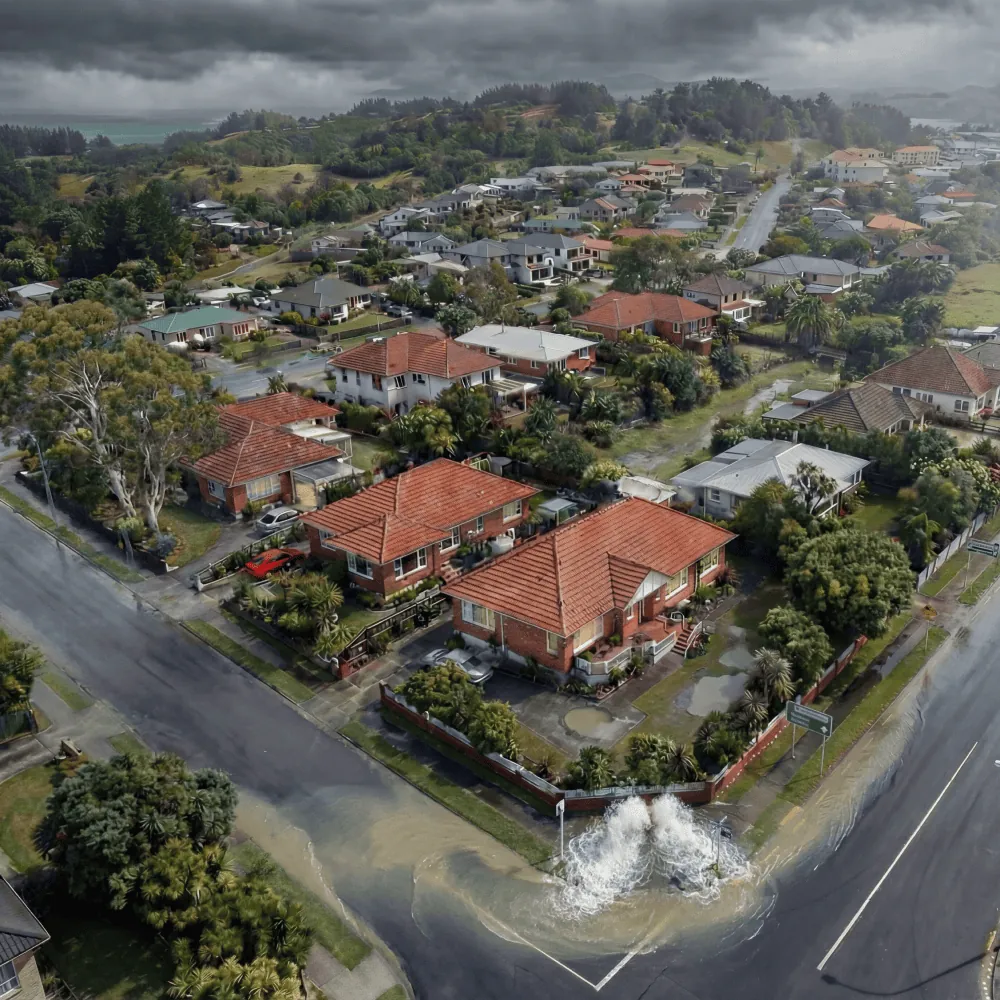
With the right data, the opportunity exists to isolate and eliminate inflow at the source. Targeted remediation of the worst-contributing areas can deliver significant reductions in network load, without the cost of broad-scale pipe replacement programmes.
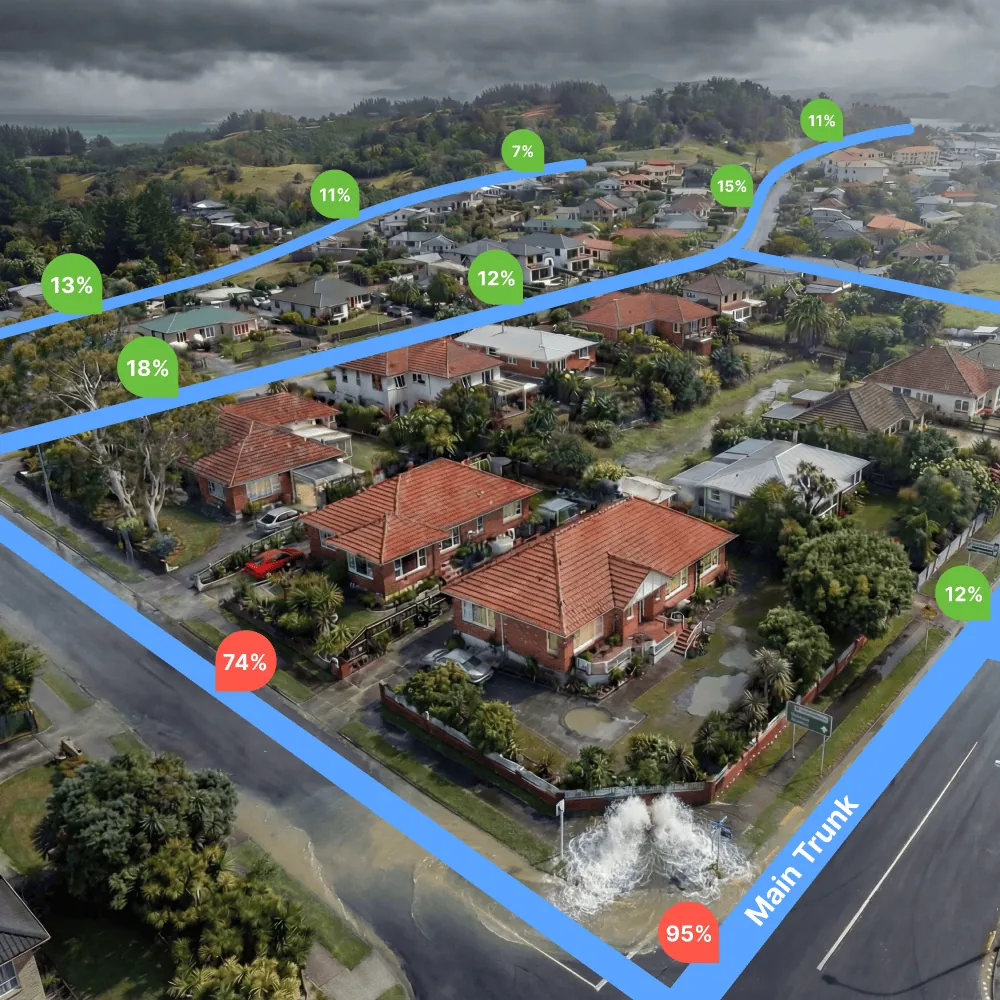
Pinpoint the sources: Catchment-level monitoring reveals which parts of the network contribute most stormwater during rainfall.
Prioritise remediation: Target the worst-contributing areas first, where every dollar of investment has the greatest impact.
Plan with evidence: Replace broad assumptions with measured network behaviour to justify and sequence infrastructure upgrades.
Scale across the network: Monitors can be deployed widely, filling data gaps at a fraction of the cost of traditional telemetry.
Detect problems early
Respond with confidence
Report with evidence
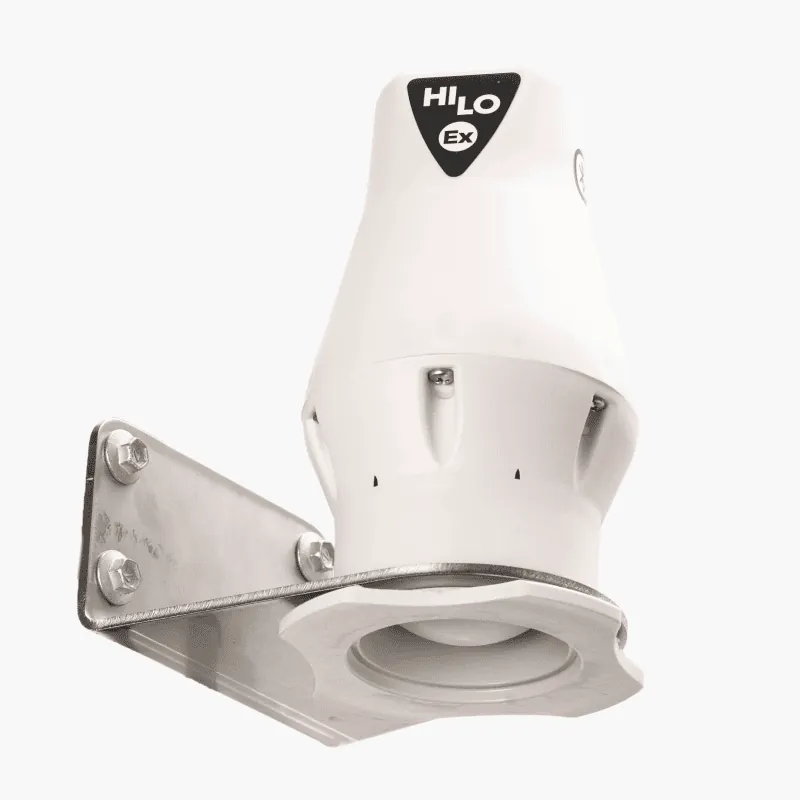
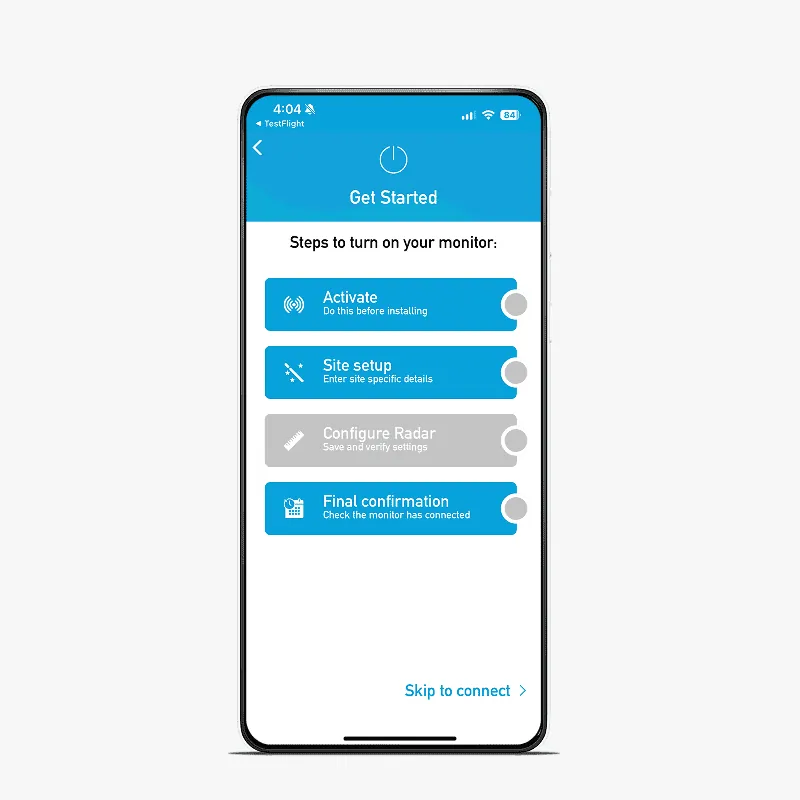
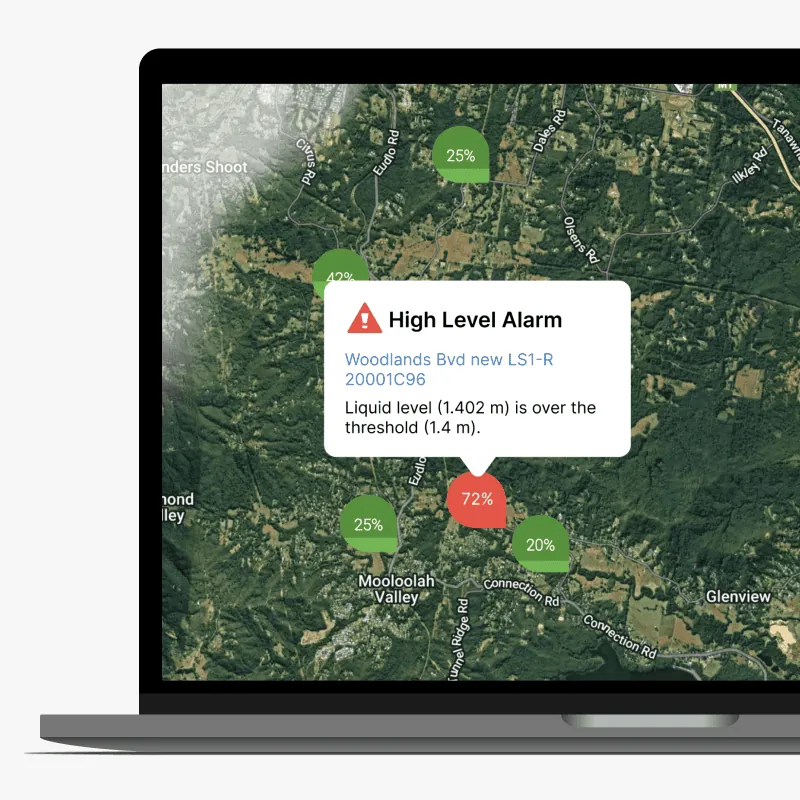
HiLo provides an end-to-end sewer monitoring system that combines:
This integrated approach lets operations and asset teams move from planning to live monitoring quickly, without complex system integration or specialist installation.
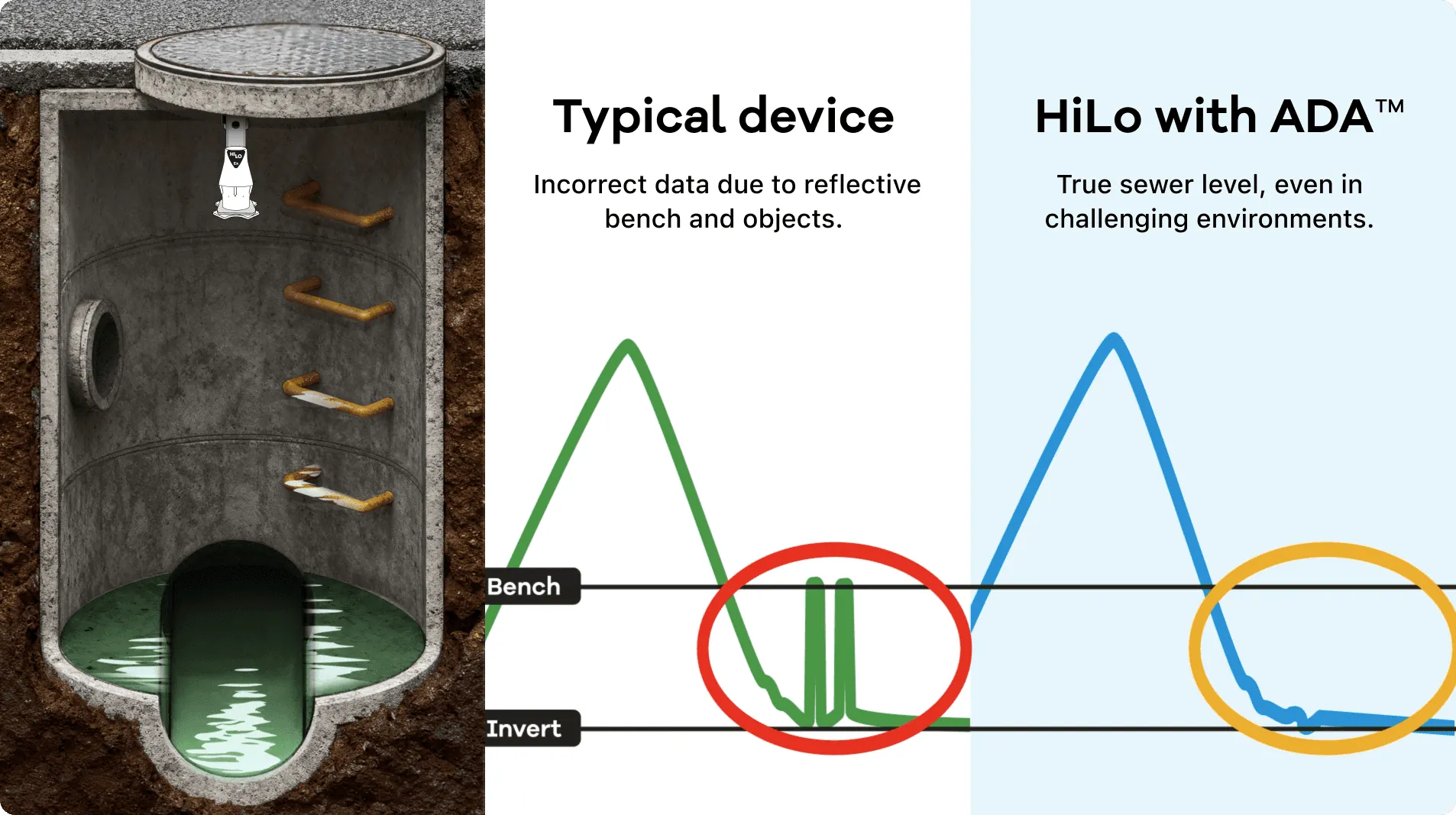
ADA™ is the intelligence built into HiLo's industrial-grade radar, interpreting the signal and adapting to the conditions inside each manhole. In sewer environments, wet walls, benching, foam, turbulence, and changing flow all create reflections that can be mistaken for the liquid surface. ADA identifies the true level where other sensors produce unreliable readings, resulting in fewer false alarms and trustworthy data for both operations and planning teams.
HiLo is simple enough to deploy at a single high-risk manhole, yet robust enough to support network-wide monitoring programmes. Councils and utilities use HiLo for:
Data can be accessed through the HiLo platform or integrated into existing systems, including modern data platforms and private SCADA networks.
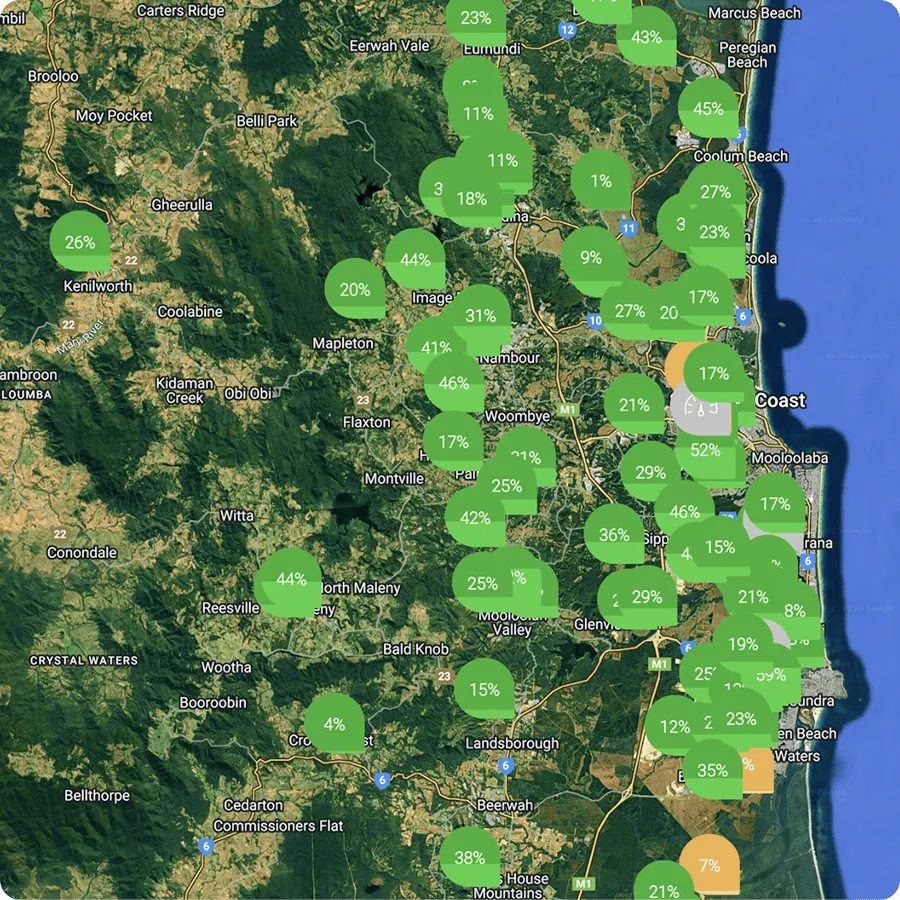
HiLo sewer monitoring is deployed with councils and Tier 1 water utilities across New Zealand and Australia. Applications include:
This experience has shaped a solution designed for real-world conditions, operational use, and long-term deployment.